
Agriculture in Côte d’Ivoire: Analysis of Agricultural Sector
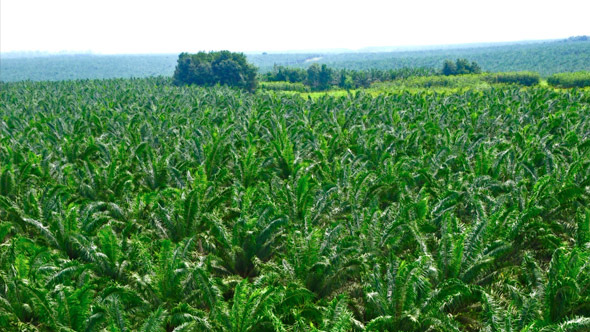
Agriculture is the backbone of Côte d’Ivoire’s economy. It employs 68% of the labor force, and accounts for 28% of GDP. While the prosperity of the companies and individuals in this sector is variable, depending on market conditions and, to a lesser extent, climatic conditions (amount of rainfall, etc.), it is the most solid factor in the economy.
Agriculture in Côte d’Ivoire: Analysis of Agricultural Sector
The country was in a crisis for more than ten years; companies were losing jobs and poverty was rising.
Agriculture is the backbone of Côte d’Ivoire’s economy. It employs 68% of the labor force, and accounts for 28% of GDP. While the prosperity of the companies and individuals in this sector is variable, depending on market conditions and, to a lesser extent, climatic conditions (amount of rainfall, etc.), it is the most solid factor in the economy.
For example, in 2011, despite the recent chaos and civil war that engulfed the country, cocoa reached its highest production ever with a record crop of 1.5 million tons.
The strength of the agricultural industry was attested to by its immunity to the ravages of Côte d’Ivoire’s recent civil and political strife. According to Dr. Tiemoko Yo, General Director of CNRA/National Center for Agricultural Research Center (NCAR):
The agricultural sector and agricultural producers in Côte d’Ivoire have been immune to the crisis. In 2011, Côte d’Ivoire has reached a record level of 1.5 million tons of cacao, rubber production has risen to 230,000 tons, and palm oil production has also increased to 350,000 tons. Through these high production rates, Côte d’Ivoire has consolidated its place as a world leader in these domains.
Furthermore, the production of cashew nuts has reached its highest peak, placing the country as the first producer in Africa and the first exporter worldwide. [Of course,] some products, such as cotton and coffee have been affected by the crisis. However, we can consider that, overall, the agro industry in Côte d’Ivoire has surmounted the global crisis and that the years to come offer an even higher prospective growth.
Côte d’Ivoire is the world’s largest cocoa producer and exporter, and the third largest in coffee beans. It is also a leading producer for the world market of cotton, palm oil, cashew nuts, bananas, coconuts, rubber, and timber.
However, Coôte d’Ivoire currently produces insufficient food to meet its domestic needs, and must import food products for internal consumption. The new government, therefore, has set the goal of increasing food production to achieve internal food sufficiency, while continuing to increase its export production. 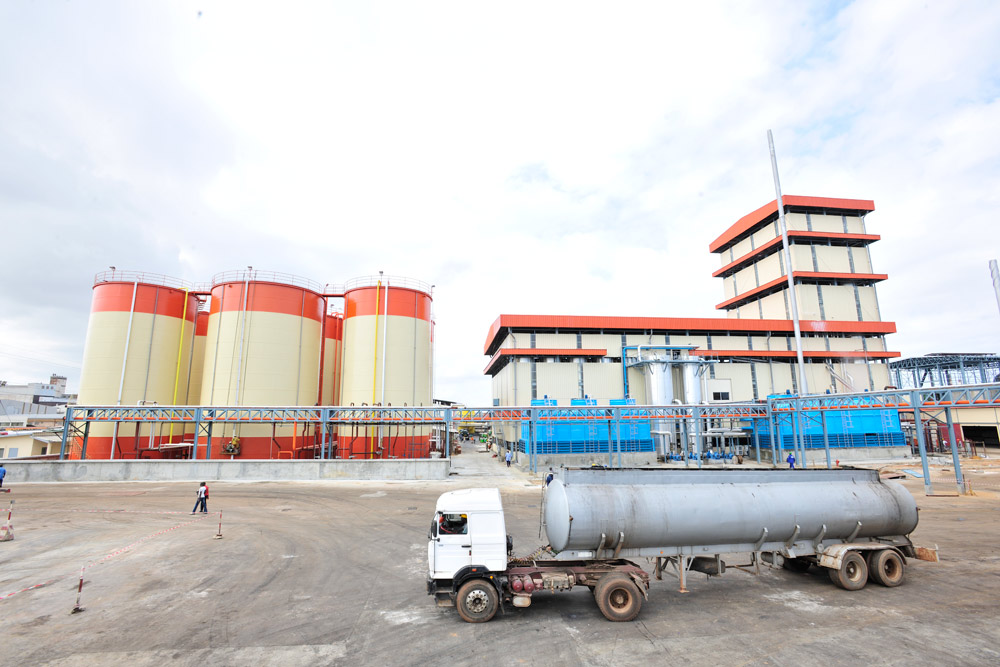
No one sees the opportunities and bright promise that Côte d’Ivoire is holding out for the future better than Jean-Louis Billon, president of both SIFCA and the Chamber of Commerce and Industry of Côte d’Ivoire:
This country could be a strong agricultural power like Brazil. We have the same climate and a lot of land with which we can do exactly the same, and feed the entire sub-region. We also haveopportunities in crude oil, like other countries in the sub-region, but I think agriculture, infrastructure, and new technologies are the areas where this country will see the best growth opportunities.
This is intended not simply a prediction of what could be, nor even the statement of a wish, rather it is a suggestion to particularly astute investors of where the best profits are to be made by getting in on the ground floor of a development that is just beginning.