
Problems in Côte d’Ivoire: Instability, Poverty, Education, Reconciliation
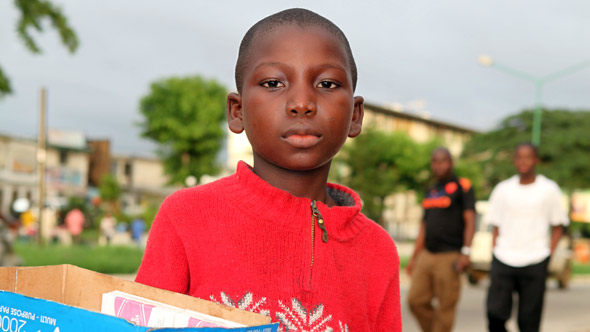
The country was in a crisis for more than ten years; companies were losing jobs and poverty was rising.
Problems in Côte d’Ivoire: Instability, Poverty, Education, Reconciliation
The country was in a crisis for more than ten years; companies were losing jobs and poverty was rising.
the Immediate Challenges…
Jean-Louis Billon, President of the Chamber of Commerce and Industry (Chambre de Commerce et d’Industrie de Côte d’Ivoire), and also president of SIFCA, describes the enormity of the challenges facing a country that has just ended a long period of civil strife:
The country was in a crisis for more than ten years; companies were losing jobs and poverty was rising. The program of the new government is, in fact, to end this crisis and put the country back to work. We will see many companies, local and global investors, and confidence in the country coming back. Yes, but we need stability and time to continue this development process.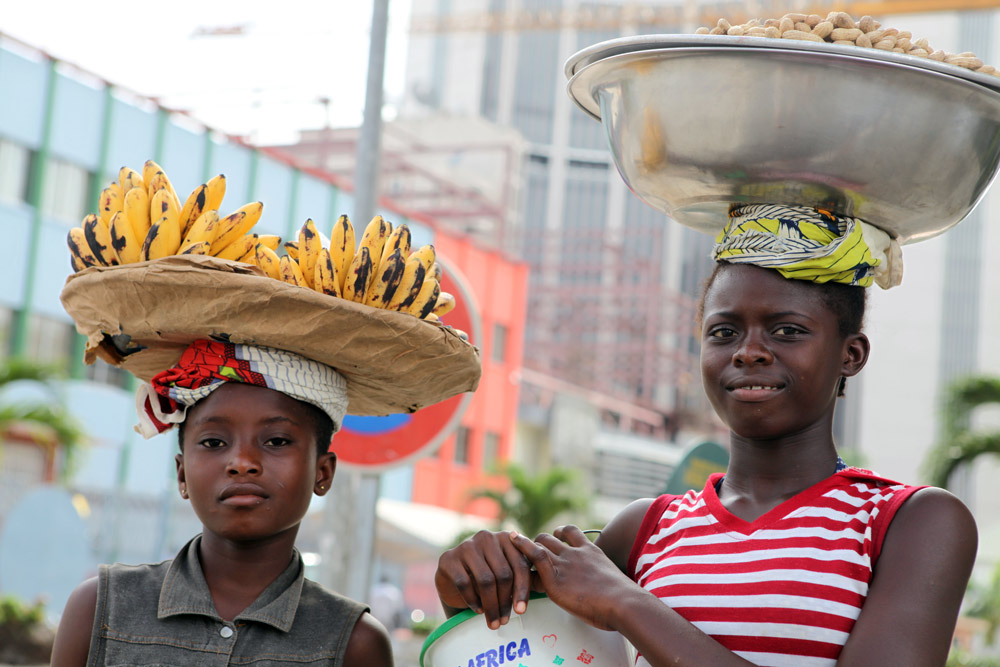
In the recovery from the recent civil war, and the struggle to re-establish a growing economy, Daniel Gnangni, Director General of PETROCI (La Société Nationale d’Opérations Pétrolières de Côte d’Ivoire), describes the immediate challenges this way:
After the painful crisis we have recently endured, the great challenges facing Côte d’Ivoire are first, that we reconcile hearts and minds. We must be able to forgive each other. We must learn again to live together. We must then take the necessary measures to ensure security in the country, to reassure Ivorians as well as foreigners. Afterwards, we must we work to rebuild the country by repairing the damages that the crisis has caused. It is then necessary for us to work to put in place a conducive environment for the revival of business.
Mathieu Kadio-Morokro, president of Petro Ivoire, essentially agrees, but beaks down the immediate challenges into four: 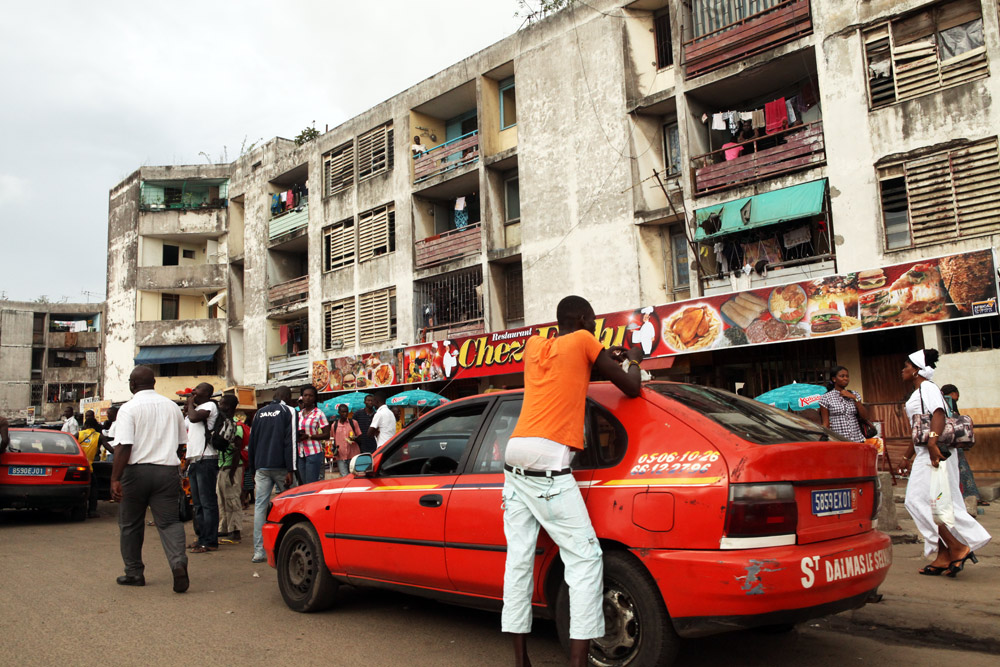
Côte d’Ivoire may have a long way to go, but we are motivated, especially in business. We are optimistic. Today’s challenges, after the ten-year-long crisis, which nearly resulted in a [long] war, are numerous. The [first] priority is human development—social cohesion and national unity. [Second,] safety is also paramount. [Third,] we also need a functioning legal system for businesses to be able to operate properly. And [fourth,] of course, [we need to] reflate the economy. These are big challenges, but I believe we have the means to succeed.
Fabrice Desgardin, of CFAO Automotive, sees the restoration of confidence; the re-establishment of functioning, constitutional government; and the implementation of national reconciliation as the immediate challenges:
[U}ncertainty is slowly receding as confidence picks up again, but it still remains the number one immediate problem that must be resolved. The second challenge is to put in motion the entire governmental team. The general parliamentary election in December is an event [that will be the] signal of confidence everyone is expecting. The third challenge, which is related to the second, is national reconciliation between the different parties to enable a smooth reorganization throughout the country.
Mahamadou Sylla, Deputy CEO of IPS WA (Industrial Promotion Services West Africa), sees the same problems needed to be faced, but from a different angle: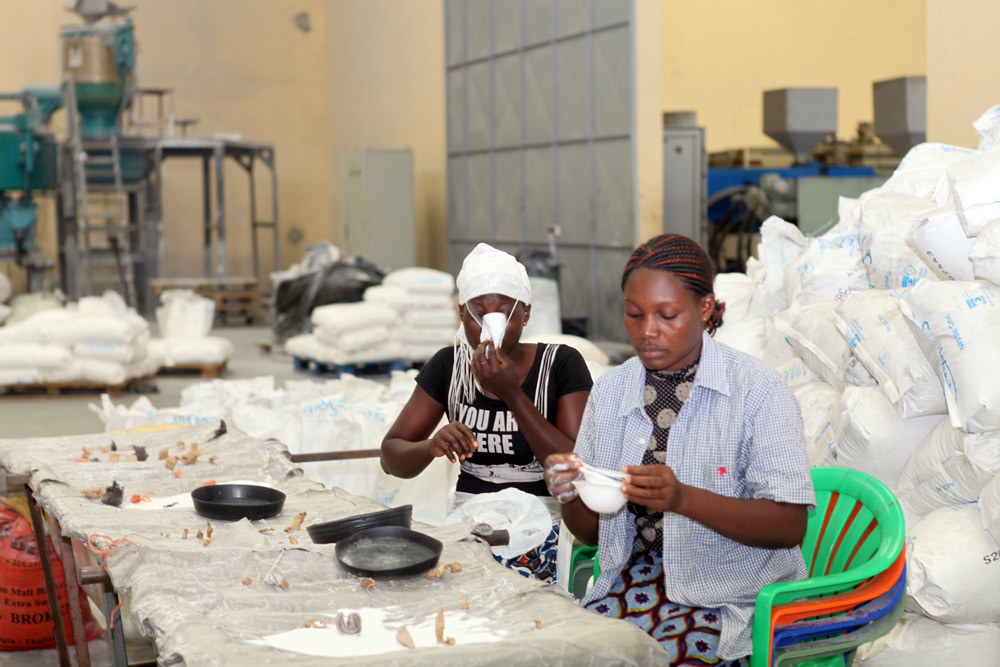
The main challenge facing the government right now is safety. In any country after a civil war, there are a lot of weapons in circulation – both in good and bad hands. Hence the security issues. The priority of the government is to solve this problem. Secondly, investment has been very low in the last ten years, and the existing infrastructure has deteriorated completely. But this can be viewed as an advantage since it creates a lot of business opportunities for companies to rebuild the infrastructure and contribute to the economy.