
Economy of Cote d’Ivoire: Overview of Ivorian Economy
For the people of Côte d’Ivoire, the present and future began on April 11, 2011, with the arrest of the president-who-would-not-leave, Laurent Gbagbo, for that signaled the effective end of the civil war.
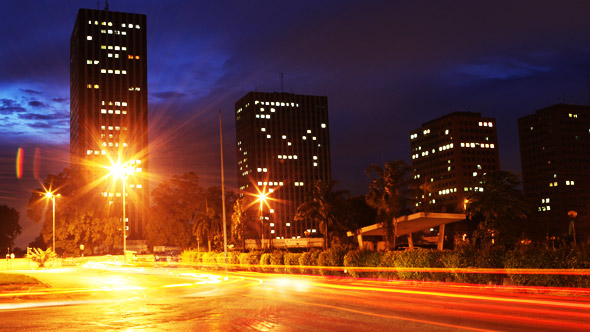
Economy of Cote d’Ivoire: Overview of Ivorian Economy
For the people of Côte d’Ivoire, the present and future began on April 11, 2011, with the arrest of the president-who-would-not-leave, Laurent Gbagbo, for that signaled the effective end of the civil war.
In the eyes of Côte d’Ivoire’s business and political leaders, Côte d’Ivoire’s economy has passed through five distinct four or periods in the half-century since the country achieved independence on August 7, 1960.
The Five Economic Periods of Cote d’Ivoire
-
The “Ivorian Miracle”—1960-1979
This is the period of rising commodity prices that lasted almost two decades—from Independence in 1960 until 1979. Since Côte d’Ivoire economy was dependent on agricultural exports—world’s largest exporter of cocoa, third largest of coffee, and a leading exporter of pineapples and palm oil—rising world prices gave Côte d’Ivoire an annual growth rate of 10 per cent, and the highest per capita income GDP of any non-oil-producing country in Africa. 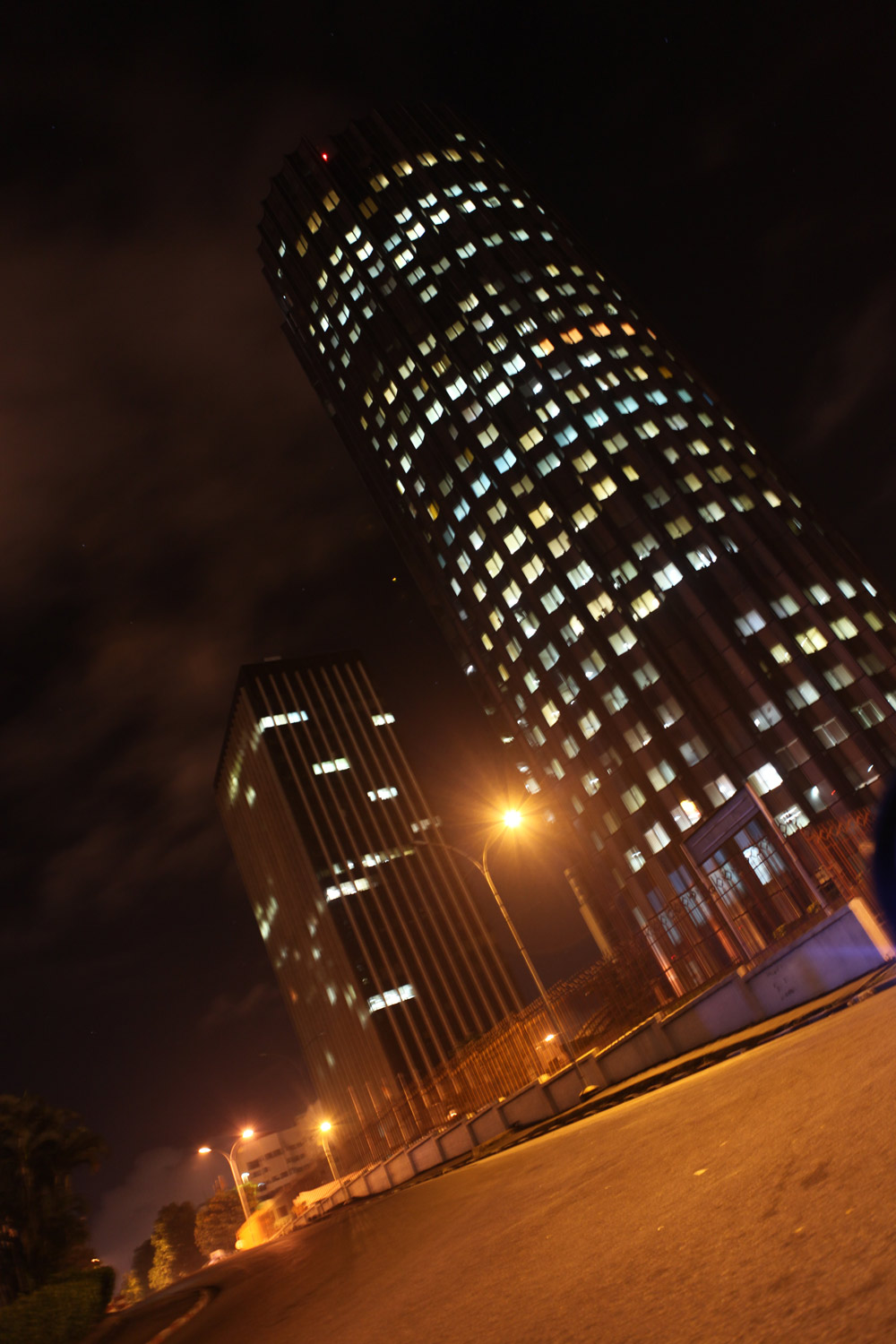
During this period, Côte d’Ivoire was able to invest wisely in the development of its cities, social services, and infrastructure; and in improving and expanding its agricultural sector for the export market. This, therefore, is remembered as the golden period of Côte d’Ivoire’s economic history, and fondly remembered as its period of the “Ivorian Miracle.”
-
Period of Falling Commodity Prices and Economic Woes—1979-1999
In 1979, commodity prices fell and continued low; in the 1980s the world suffered dislocation in financial markets; and by the 1990s increasing competition from South America and Asia affected Côte d’Ivoire’s agricultural export market. As a result, Côte d’Ivoire suffered decreasing income from its exports, falling prosperity, rising unemployment, and increasing debt. During this period, while surface political stability was maintained, unemployment increased and general discontent with economic conditions spread.
While Côte d’Ivoire’s first two periods were dominated by world financial and market conditions, the third and fourth were almost completely determined by domestic political conditions.
-
Political Instability—1999-2010
A successful coup d’etat that overthrew the constitutionally elected president in 1999, plus a violent but unsuccessful military uprising in 2002, set the stage for a simmering conflict that sporadically erupted into violence.
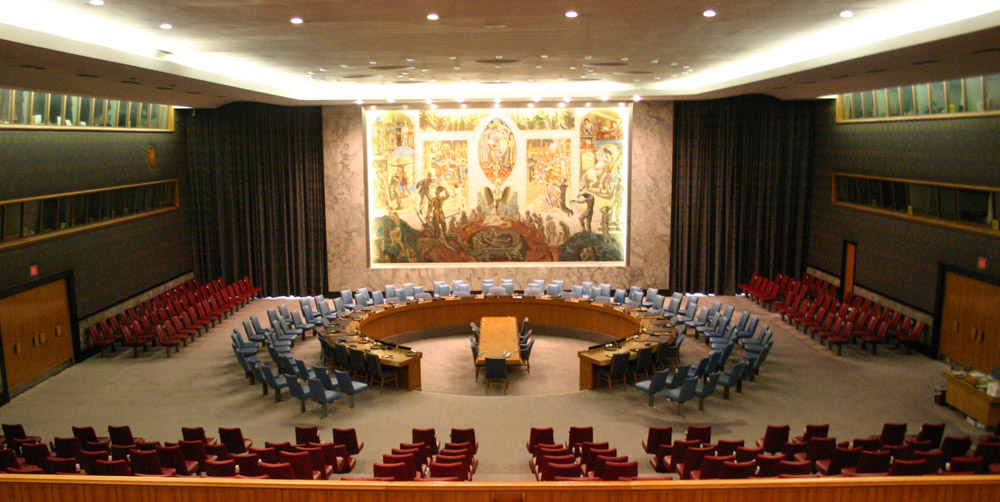
The incumbent president, Laurent Gbagbo, refused to hold the scheduled 2005 election. Because of the violence, the United Nations Security Council intervened by sending international peacekeeping forces. Each of these sapped investor confidence in stability, interrupted receipt of foreign aid payments, damaged the country’s credit, halted many development programs, and even prevented maintenance of infrastructure. As a result, the economy performed nowhere near its potential.
-
Civil War—November 2010 to April 2011
In the presidential election finally held in November 2010, the challenger, Allesanne Ouatrarra was declared the winner by an international body of observers, but the incumbent, Laurent Gbagbo refused to relinquish office. A civil war broke out, which after five months of fighting that brought resulted in 3,00 dead, one million refugees, and brought the economy to a complete standstill.
-
The Present and Future—”The Dawn of New Hope”
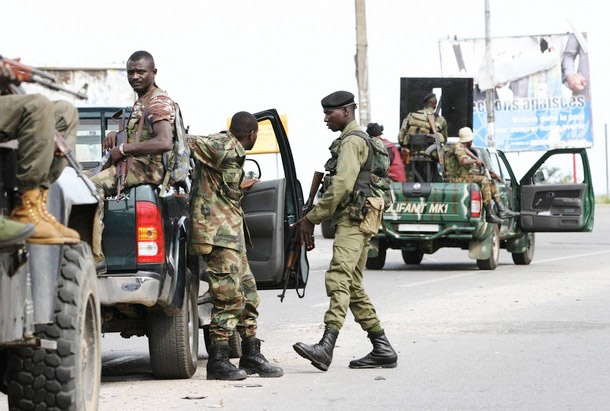
For the people of Côte d’Ivoire, the present and future began on April 11, 2011, with the arrest of the president-who-would-not-leave, Laurent Gbagbo, for that signaled the effective end of the civil war. The next day, April 12th, the victor of both the election and the civil war, Alassanne Ouatrarra, addressed the nation and proclaimed “the dawn of a new a new hope.“
For the next month clean-up operations continued around the country subduing or accepting the surrender of Gbagbo forces, while Ouatrra put together a new government. Ouatrra was formally inaugurated on May 21, 2011.
Since the day after Gbagbo’s arrest, Abidjan, the commercial capital of Côte d’Ivoire, has been returning to life, with stores reopening and business slowly returning. President Ouatrra proclaimed a policy of seeking reconciliation. Political life has returned, with political parties preparing for the December parliamentary elections. A multitude of newspapers—including many pro-Gbagbo papers—are publishing. Most of the country, however, has been pacified, and life is returning to normal.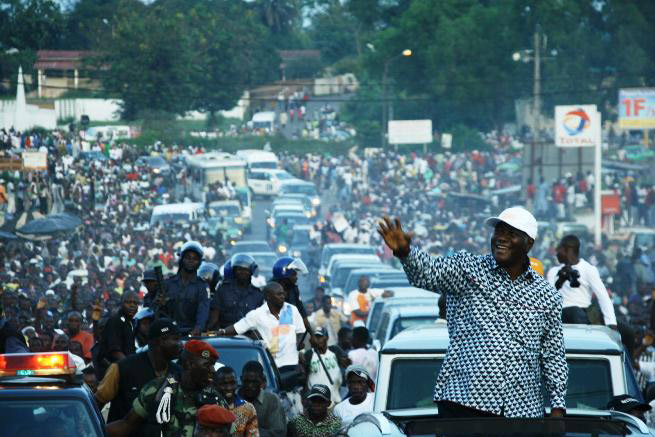
When most of the interviews for this Report were given, Gbagbo was still in custody in Côte d’Ivoire, elections for parliament were being planned, and Gbagbo’s former political party had decided to boycott them. Gbagbo’s supporters, however, were generally sullen, and there were still some pockets of resistance and occasional violence.
As this Report is being written, parliamentary elections have just been held (December 11, 2011), and the votes are still being counted.