- Home

- Middle East Reports
- Lebanon Report
- Lebanon Top Stories

Lebanon Report
Marcopolis presents the Lebanon Report focused on the investments, doing business, economy and other topics featuring interviews with key executives and government officials. The sectors under review are industry, telecom, banking sector, ICT, investments and more.
-
Published: May 31, 2022
Lebanon Top Stories
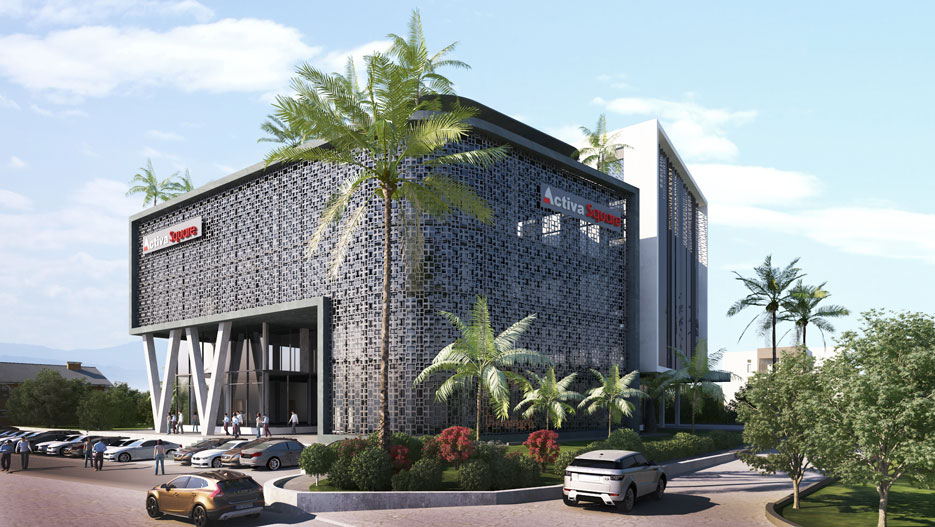
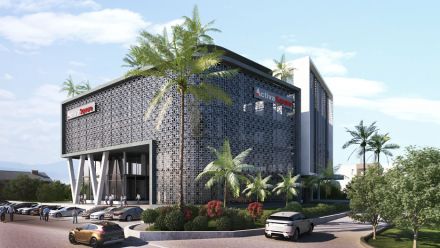
Founded more than 25 years ago in Beirut, KEY Architectural Group has become a leading architectural design and construction solutions provider, not only in Lebanon, but also in Accra (Ghana) and Abidjan (Ivory Coast). The
Continue
-
-
Published: May 24, 2018
-
-
Published: May 24, 2018
-
-
Published: February 17, 2018
All
Lebanon
May 31, 2022 |
Sandra Francisco
Founded more than 25 years ago in Beirut, KEY Architectural Group has become a leading architectural design and construction solutions provider, not only in Lebanon, but also in Accra (Ghana) and Continue
May 24, 2018 |
Jacques Yétérian
In the first quarter of 2018, BML Istisharat, a globally recognized core banking and insurance software provider based in Lebanon, got acquired by Mawarid Finance (UAE). BML Istisharat also secured Continue
May 24, 2018 |
Sandra Francisco
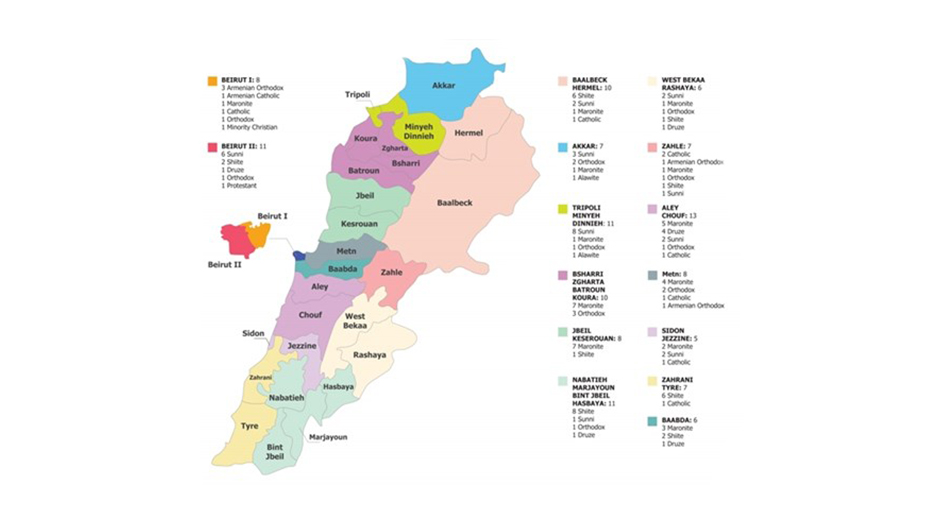
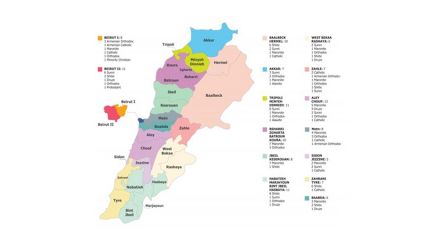
On the 6th May 2018, Lebanon held its long-awaited parliamentary elections; the first such elections since 2009. Voter turnout among the 3.9 million eligible voters was just 49.2%. Continue
February 17, 2018 |
Jacques Yétérian
BML Istisharat, a globally recognized core banking and insurance software provider based in Lebanon, secured two new contracts in Bahrain (Bank of Jordan) and Lebanon (Arab Finance Corporation) in Continue
November 08, 2017 |
Jacques Yétérian
In the third quarter of 2017, BML Istisharat, a globally recognized core banking and insurance software provider based in Lebanon, secured two new contracts in Lebanon and Iraq, one with Excillis Continue
August 16, 2017 |
Dominika Bzduchova
In the second quarter of 2017, BML Istisharat, a globally recognized core banking and insurance software provider based in Lebanon, signed two new major contracts, one with Peterhouse Continue
June 20, 2017 |
Dominika Bzduchova
In the first quarter of 2017, BML Istisharat, a globally recognized core banking and insurance software provider based in Lebanon, secured 5 new contracts. Continue

December 06, 2016 |
Peter Matay
Lebanon based BML Istisharat- a globally recognized business Solutions and Information Technology Services provider has had some encouraging developments in the third quarter of 2016. Continue

September 21, 2016 |
Peter Matay
Erbil Bank in Erbil Bank in Kurdistan (KRG) having been an ICBS user for six years are due to introduce the ICBS e-Banking on the Windows platform, the ICBC S e-banking solution will complete and Continue
June 26, 2016 |
Peter Matay
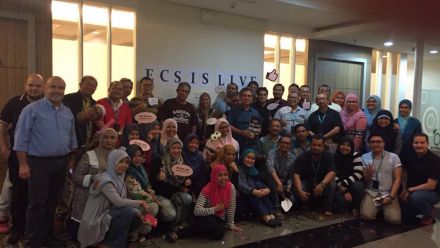
Lebanon based BML Istisharat - a globally recognized business Solutions and Information Technology Services provider has had an encouraging start to 2016. Continue
Load More
Loading...
May 31, 2022 |
Sandra Francisco
Founded more than 25 years ago in Beirut, KEY Architectural Group has become a leading architectural design and construction solutions provider, not only in Lebanon, but also in Accra (Ghana) and Continue
May 24, 2018 |
Jacques Yétérian
In the first quarter of 2018, BML Istisharat, a globally recognized core banking and insurance software provider based in Lebanon, got acquired by Mawarid Finance (UAE). BML Istisharat also secured Continue
May 24, 2018 |
Sandra Francisco
On the 6th May 2018, Lebanon held its long-awaited parliamentary elections; the first such elections since 2009. Voter turnout among the 3.9 million eligible voters was just 49.2%. Continue
February 17, 2018 |
Jacques Yétérian
BML Istisharat, a globally recognized core banking and insurance software provider based in Lebanon, secured two new contracts in Bahrain (Bank of Jordan) and Lebanon (Arab Finance Corporation) in Continue
November 08, 2017 |
Jacques Yétérian
In the third quarter of 2017, BML Istisharat, a globally recognized core banking and insurance software provider based in Lebanon, secured two new contracts in Lebanon and Iraq, one with Excillis Continue
August 16, 2017 |
Dominika Bzduchova
In the second quarter of 2017, BML Istisharat, a globally recognized core banking and insurance software provider based in Lebanon, signed two new major contracts, one with Peterhouse Continue
June 20, 2017 |
Dominika Bzduchova
In the first quarter of 2017, BML Istisharat, a globally recognized core banking and insurance software provider based in Lebanon, secured 5 new contracts. Continue
December 06, 2016 |
Peter Matay
Lebanon based BML Istisharat- a globally recognized business Solutions and Information Technology Services provider has had some encouraging developments in the third quarter of 2016. Continue
September 21, 2016 |
Peter Matay
Erbil Bank in Erbil Bank in Kurdistan (KRG) having been an ICBS user for six years are due to introduce the ICBS e-Banking on the Windows platform, the ICBC S e-banking solution will complete and Continue
June 26, 2016 |
Peter Matay
Lebanon based BML Istisharat - a globally recognized business Solutions and Information Technology Services provider has had an encouraging start to 2016. Continue
Load More
Loading...