
Top Bank in the Middle East – BankMed Company Profile
Headquartered in Beirut, BankMed is one of the top five banks in Lebanon. Originally established in 1944, its market share as measured by total assets which stood at $10.6 billion at end-2009 has grown to comprise around 10% of the total of the Lebanese banking system.
About BankMed 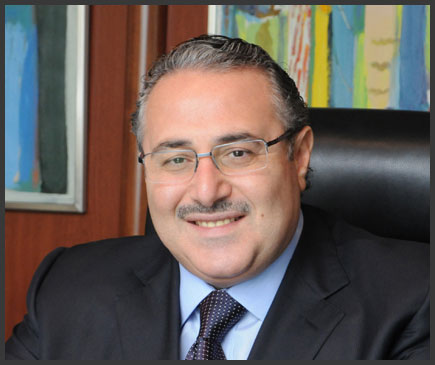
ContactBankMed s.a.l. Postal Address: |
Tel: +(961-1) 373 937 |
Profile
Headquartered in Beirut, BankMed is one of the top five banks in Lebanon. Originally established in 1944, its market share as measured by total assets which stood at $10.6 billion at end-2009 has grown to comprise around 10% of the total of the Lebanese banking system. BankMed’s total profits reached $90.7 billion by the end of 2009. Through its 51 branches located throughout Lebanon, and one in Cyprus, BankMed offers a wide range of innovative products and quality services to both individuals and corporations. In addition, BankMed’s private bank in Switzerland, BankMed Suisse, is engaged in asset-management and advisory banking services.

BankMed’s regional presence was expanded to Turkey in 2007 with the addition of a subsidiary commercial bank, T-Bank, to the Group. In 2008, the SaudiMed Investment Company was launched in Riyadh to provide investment and corporate advisory services to a growing base of customers in the Kingdom and elsewhere in the Middle East. By the end of 2009, BankMed had customer deposits of approximately US$8.2 billion and total loans of about US$3.1 billion. BankMed has a client-portfolio currently exceeding 130,000.
What We Stand For
BankMed’s role in financing commercial, industrial, and contracting activities has contributed to the growth of these sectors and the resurgence of the Lebanese economy since 1990. Believing that an institution should always adapt itself to meet the needs of a fast changing world, BankMed went through a major restructuring and reorganization campaign between 2006 and 2008. Along with the well-established corporate banking business, brokerage services – available 24 hours a day – and unique retail products have been introduced to consistently meet growing client demand.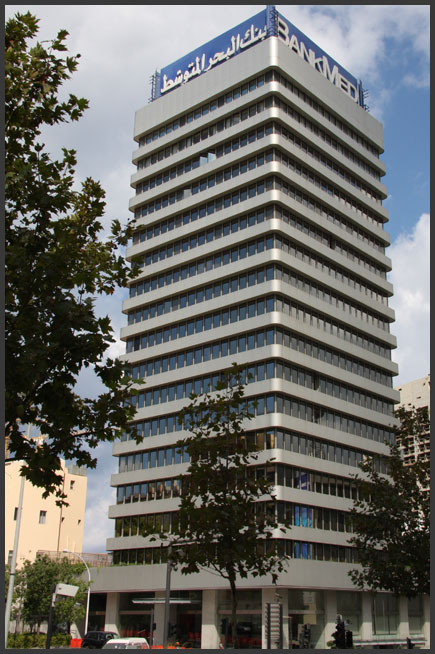
At the support-systems level, BankMed always adopts the latest in banking technology and holds itself to the highest local and international standards of best-practice. This includes the continual enhancement of our human resources, currently numbering 1665 employees, through various training and development initiatives. BankMed continues to seek to improve upon its product-offering and the quality of service-delivery; to thus provide an optimal banking experience to our most valued customers.
Catering to our customers’ financial services needs is not only our approach to doing business; it also encapsulates BankMed’s commitment to adding value to society and giving back to the country we are proud to be based in. In 2009, BankMed launched the “Happy Planet” campaign, one of the main pillars in its environmental sustainability vision. Through various environmentally friendly initiatives – implemented both in-house and externally – including reforestation, education/training, public clean-ups and other such projects BankMed is taking the lead in Lebanon in the global fight against climate change and global warming.
One of BankMed’s most notable environmental sustainability initiatives is its project to become the first Lebanese Bank to be certified as carbon neutral. After assessing and measuring its Corporate Headquarters carbon footprint, BankMed purchased Verified Emission Reductions (VERs) to offset its own carbon emissions, encourage new eco-friendly technologies and simultaneously contribute to the sustainable development of small communities in developing countries. In this regard, BankMed’s pioneering vision is a model for carbon footprint balancing in the Middle East financial sector.
Video
|
Get the Flash Player to see this player.
|
Future Plans
Where We Are Going
BankMed understands that the globalization of financial services is an irreversible trend and believes, as a result, that regional financial institutions should invest in innovation to meet the needs of a more demanding, global and mobile client base. Well planned vertical integration and carefully considered horizontal expansion will continue to define BankMed’s strategy to create a more successful business enterprise.
Where We Come From
BankMed is part of a bigger family group that has an established presence on the five continents of the globe through its various businesses in the construction, telecommunications, banking, operation & maintenance, utilities, insurance, printing and real estate sectors. Chief amongst them is: Saudi Oger Ltd., a major Middle Eastern conglomerate established in 1970 in the Kingdom of Saudi Arabia. Its investments include Oger Telecom, headquartered in Dubai, a leading telecommunications services provider operating in the emerging markets, namely Turkey and South Africa, in addition to MedGulf, one of the largest insurance providers in the region.